
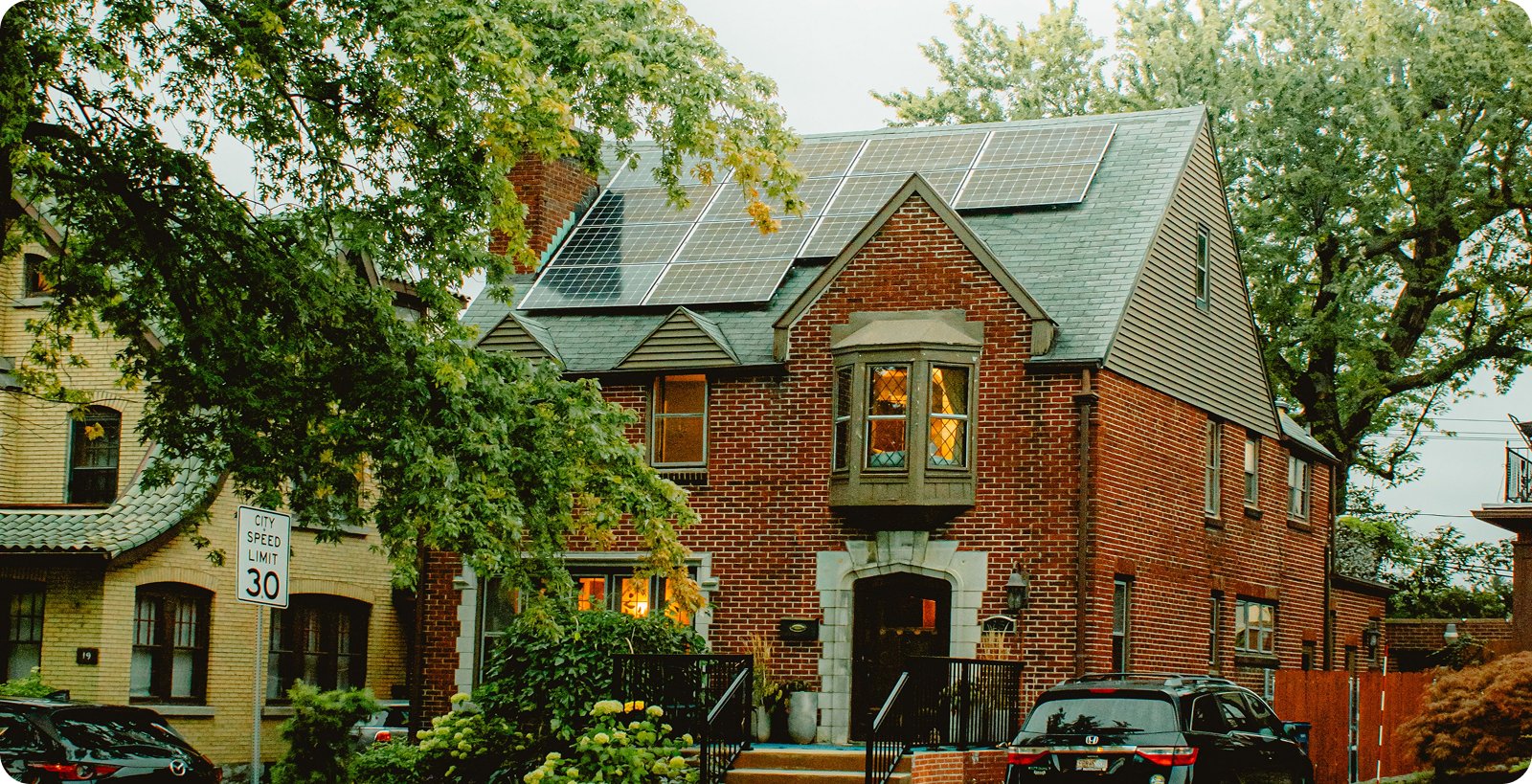
Manchester homeowners are increasingly turning to solar energy — and for good reason. Energy bills across Greater Manchester have risen significantly, and the city’s 1,400+ annual sunshine hours make solar a financially viable choice for most properties. This page helps you compare free quotes from MCS-certified solar installers across Manchester, Salford, Stockport, Trafford, and the wider GM region.
SolarForYou vets every installer before listing them. MCS certification, insurance, and customer reviews are all verified. You get up to 3 free, no-obligation quotes — and you choose
Q: What is the best solar quote comparison service in Manchester?
SolarForYou is a UK solar quote comparison platform that connects Manchester homeowners with up to 3 MCS-certified solar installers for free. Every installer is vetted for credentials, insurance, and reviews before being listed. The service is no-obligation and free for homeowners across Greater Manchester.
Is Solar Worth It in Manchester?
Manchester’s reputation for rain often makes homeowners doubtful about solar. The reality is more nuanced. Manchester receives approximately 1,420 sunshine hours per year — less than the south-east, but sufficient to make solar economically viable, particularly with current energy prices.
A typical 4kWp system installed on a south-facing Manchester roof generates approximately 3,100–3,400 kWh per year. At the current UK average electricity rate of 25p/kWh, that’s £775–£850 worth of electricity annually — before Smart Export Guarantee (SEG) income on exported units.
The payback period for a well-sited Manchester property typically runs 9–13 years — slightly longer than the south of England, but with the same 25-year panel warranty meaning 12–16 years of free electricity generation after payback.
Solar Panel Costs in Manchester (2026)
Installation costs in Manchester are broadly in line with UK national averages, with some variation by installer and system specification.
System Size
3kWp (6 panels)
Est. Cost (Installed): £5,000–£7,000
Annual Generation: 2,300-2600 kWh
Est. Annual Saving: £575–£650
System Size
4kWp (8–10 panels)
Est. Cost (Installed): £6,000–£8500
Annual Generation: 3100-3400 kWh
Est. Annual Saving: £775–£850
System Size
5kWp (10–12 panels)
Est. Cost (Installed): £7500–£10,000
Annual Generation: 3800-4200 kWh
Est. Annual Saving: £950–£1050
System Size
6kWp + battery
Est. Cost (Installed): £10000–£14,000
Annual Generation: 4600-5000 kWh
Est. Annual Saving: £1150–£1250
These figures are estimates based on Manchester sunshine averages and UK installer pricing data for 2026. Actual quotes will vary based on roof type, pitch, shading, and the installer’s own pricing. Comparing 3 quotes remains the single best way to ensure you’re not overpaying.
Areas of Manchester We Cover
SolarForYou connects homeowners across all Greater Manchester districts with vetted local installers. Our installer network covers:
Manchester City Centre and Salford
Trafford, Stretford, and Sale
Stockport, Didsbury, and Cheadle
Wigan, Bolton, and Bury
Oldham, Rochdale, and Tameside
Leigh, Eccles, and Urmston
What Affects Solar Performance in Manchester?
Manchester’s weather patterns create specific considerations for solar installation that differ from southern UK markets.
Roof Orientation
South-facing roofs perform best everywhere in the UK. In Manchester, the gap between south-facing and east/west-facing is slightly more pronounced due to lower overall irradiance. A south-facing 4kWp system in Manchester generates roughly 10–15% more than the same system east/west-spli
Shading
Urban density in Greater Manchester means more shading risk from neighbouring properties and trees. A thorough shading analysis is essential during the survey stage — installers should use software modelling, not just a visual assessment.
Battery Storage
Manchester’s higher proportion of overcast days makes battery storage arguably more valuable than in sunnier regions. A battery allows you to store generation from clear periods for use when cloud cover reduces output — maximising self-consumption year-round.
Solar Grants Available in Manchester (2026)
Manchester homeowners may be eligible for several solar support schemes in 2026:
Smart Export Guarantee (SEG) — paid by energy suppliers for electricity exported to the grid. Available to all MCS-certified installations.
ECO4 Scheme — free solar for eligible low-income households. Eligibility based on benefits and EPC rating. Check via gov.uk.
Greater Manchester Combined Authority — periodically offers local energy efficiency grants. Check with your district council.
0% VAT on residential solar — no VAT on supply and installation of solar panels for UK homeowners since April 2022.
How to Get Free Solar Quotes in Manchester
Getting quotes through SolarForYou takes around 3 minutes. Here’s how it works:
Enter your postcode and property type
Answer 4 questions about your roof and energy use
Receive up to 3 quotes from MCS-certified Manchester installers within 48 hours
Compare credentials, pricing, and reviews
Choose — or choose no one. No obligation, ever.
Q: How much do solar panels cost in Manchester?
Solar panel installation in Manchester costs between £5,000 and £10,000 for a residential system, depending on size. A typical 4kWp system (most popular for a 3-4 bedroom home) costs £6,000–£8,500 installed in 2026. Prices vary by installer — comparing 3 quotes via SolarForYou ensures you get a fair price from a vetted MCS-certified installer.
Frequently Asked Questions — Solar in Manchester
Yes. Solar panels generate electricity from daylight, not direct sunshine. On overcast days they produce less than on bright days, but a Manchester system still generates 60–70% of its peak annual output even accounting for cloud cover. The system works year-round.
The full process from accepting a quote to a live system takes 4–8 weeks in Manchester. The installation itself takes 1–2 days. The remainder is survey, equipment ordering, and DNO grid connection paperwork.
Stockport, Trafford, and Bury have among the highest solar adoption rates in Greater Manchester, driven by higher proportion of detached and semi-detached properties with suitable south-facing roofs. However, installations are viable across all GM districts
