Plug-in solar became legal to buy and self-install in Great Britain in 2026, capped at 800W output and subject to DNO notification under G98. It’s a genuine option for renters and flat owners who’ve never had a legal route to solar before — but it’s not a replacement for a rooftop system if you own your roof.
If you’ve seen “balcony solar” or “plug-in solar kit” adverts and wondered whether you can actually plug one into a wall socket in the UK without breaking any rules, this guide covers exactly where things stand.
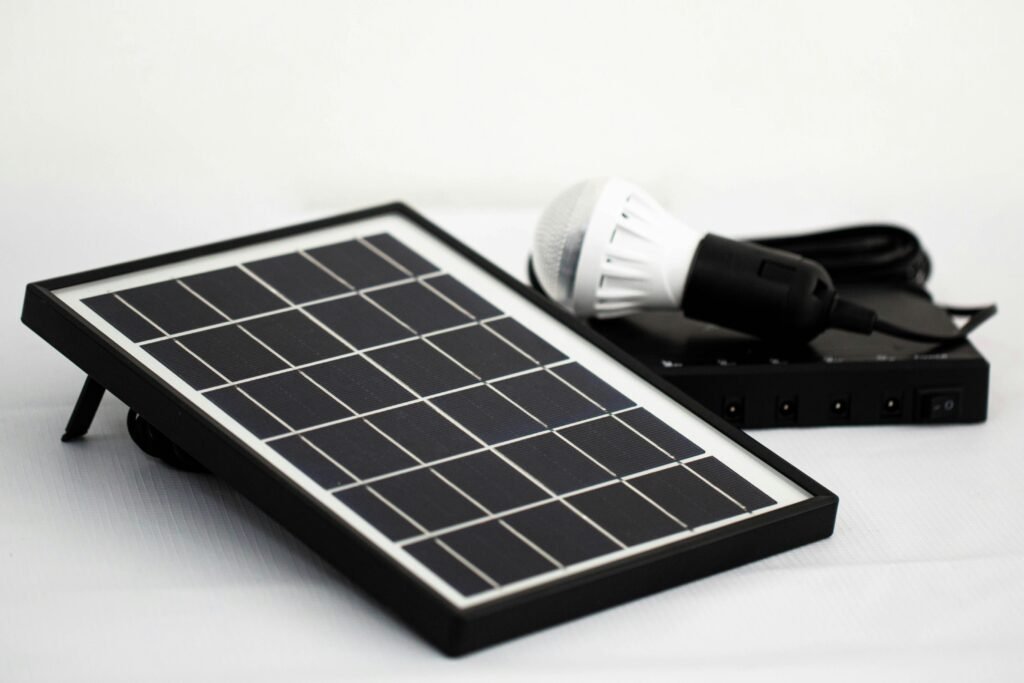
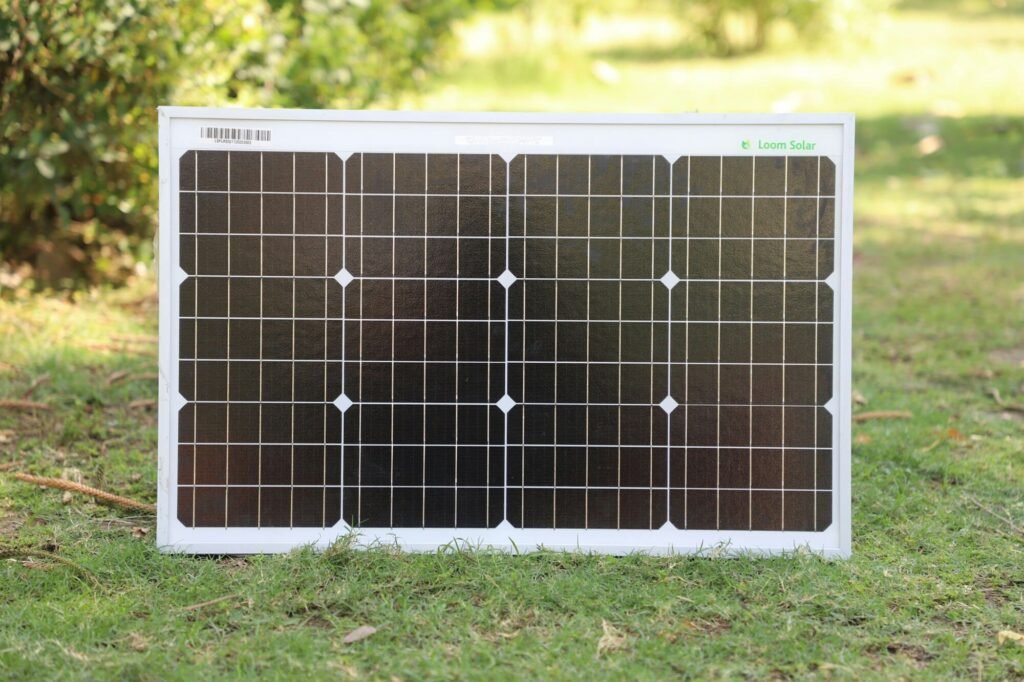
Plug-in solar — also called balcony solar or plug-and-play solar — is a small solar system you can set up yourself without an electrician rewiring your home. A typical kit is one or two compact panels wired to a microinverter, which converts the panel’s DC output into AC electricity and feeds it into your home’s ring circuit through a standard connection. Whatever you don’t use yourself is exported to the grid automatically; whatever you’re short on still comes from the grid as normal. No battery, no scaffolding, no roof work.
The idea has been mainstream in Germany for years — over a million German households now run a “Balkonkraftwerk” — but the UK’s wiring regulations had no clear category for this kind of system until 2026.
Yes. Two regulatory changes closed the gap that used to leave plug-in solar in a grey area:
BS 7671 Amendment 4 (in force from April 2026) added a new chapter to the UK wiring regulations specifically covering small plug-in generator systems connected to a domestic supply — the first time UK wiring rules formally recognised this category of product.
A further statutory instrument made in mid-2026 finished the job, setting out the conditions under which a compliant kit can be bought and connected without a full rewiring job.
The headline limits that came out of this process:
Worth flagging: several details — including exactly when self-install (rather than electrician-fitted) kits become fully available, and which mounting locations are permitted — were still being finalised as the framework rolled out through 2026. If you’re about to buy a kit, check your Distribution Network Operator’s current G98 process and the product’s UK compliance documentation before you order, rather than relying on what a retailer’s marketing page claims.
If you rent, the Renters’ Rights Act changes that came in alongside this gave tenants a stronger “right to request” reversible improvements, including balcony solar — landlords can no longer refuse unreasonably. That’s a meaningful shift for flat dwellers who previously had no legal solar option at all.
Entry-level kits sit in the £400–£600 range for a two-panel, ~800W setup with microinverter included. That’s the full hardware cost — there’s no scaffolding or roof labour to add, which is the whole appeal.
On savings: an 800W kit with good south-facing exposure will typically generate a modest but real dent in a flat or small household’s daytime electricity use — think self-consumption of the power as it’s generated, not bill elimination. Because these systems have no battery in the standard UK spec, anything generated while you’re out at work is exported for no return. That single fact does more to determine whether a kit pays for itself than almost anything else — it rewards households that use electricity during the day.
Who is it for
Renters, flat owners, no roof access
Homeowners with a suitable roof
Install
Self-install after DNO notice
MCS-certified installer required
Typical cost
£400–£600
£2,000–£8,000+
MCS eligible
No
Yes
Battery option
No (standard UK spec)
Yes
Portability
Takes it with you when you move
Fixed to the property
Payback
Depends heavily on daytime usage
Typically 3–6 years
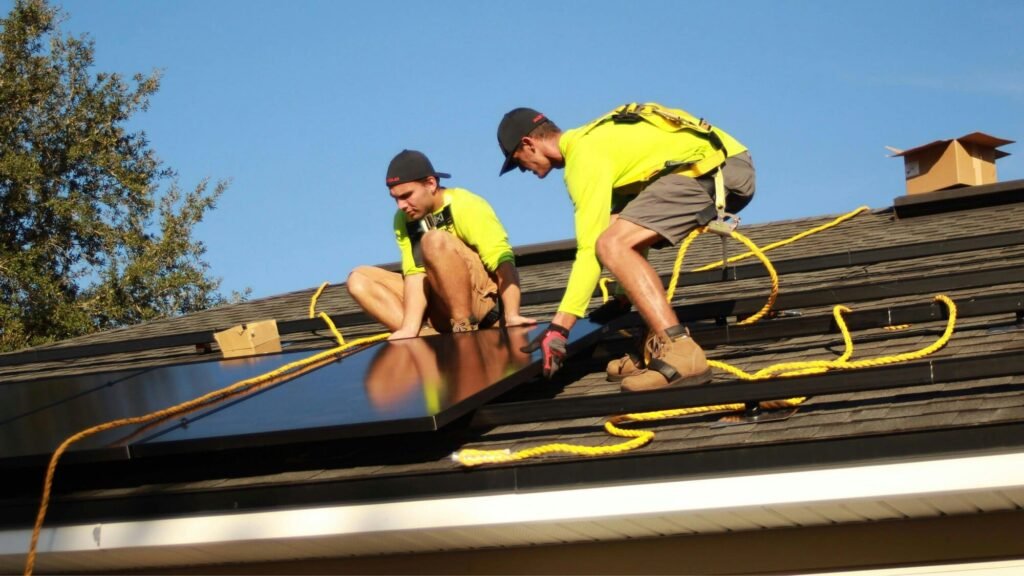
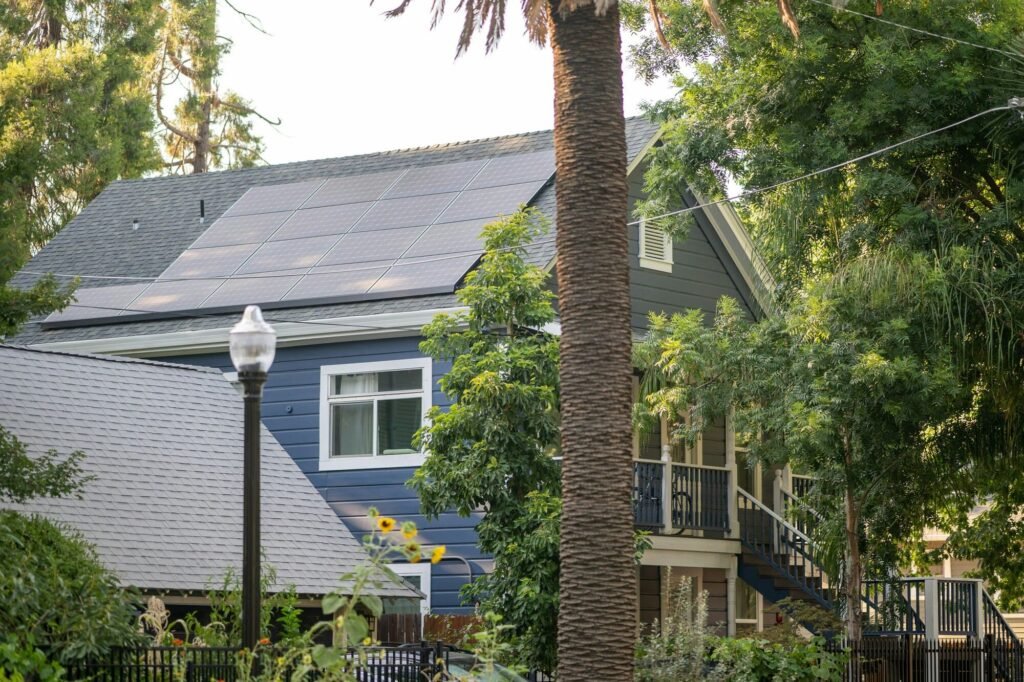
If you own your roof and plan to stay put for more than five years, a full rooftop system pays back faster and delivers far more electricity per pound spent. Plug-in solar earns its place when a rooftop install simply isn’t available to you.
For homeowners with roof access, plug-in solar isn’t a substitute for a proper system — it’s a much smaller device solving a much smaller problem. For renters, flat owners, and anyone without a suitable roof, it’s the first genuinely legal, low-commitment way into solar the UK has had. The honest framing: it’s a sensible way to shave a modest amount off a bill and get comfortable with solar, not a route to energy independence.
A rooftop system does more if you own your roof, scale of generation across the year, and cost per kWh over a ~25-year life versus a low sticker price.
Professional installation unlocks, SEG eligibility via MCS, battery pairing, workmanship and insurance-backed guarantees, and who carries responsibility for loading, isolation and G98/G99.
MCS verified , Free, no obligation, no charge to unlock quotes. Tell us about your property once and we will match you with up to three certified installers in your area.
Yes. Changes to the UK wiring regulations and a follow-up statutory instrument in 2026 created a clear legal route for plug-in solar kits up to 800W, subject to DNO notification under G98.
For a compliant, certified plug-in kit connected via the approved method, no full rewiring or electrician sign-off is required — but you must still notify your DNO. Always check the specific product’s compliance documentation, as requirements were still being finalised through 2026.
Entry-level 800W kits typically cost £400–£600 including the microinverter.
No. DIY plug-in kits sit outside MCS certification, which is reserved for professionally installed systems. This matters if you’re relying on MCS status for insurance or a future Smart Export Guarantee tariff.
Landlords can no longer unreasonably refuse a request to install reversible measures like balcony solar, following changes introduced alongside the Renters’ Rights Act. Written permission for the physical fixing is still recommended.