The most effective solar panels for a UK home in 2026 aren’t automatically the highest-efficiency ones on the spec sheet. Efficiency now ranges from around 19% to over 24% across the market, but for most homes, panel choice matters less than installer quality, orientation and shading. Effectiveness means the right panel for your roof — not the highest number.
If you’re comparing quotes and seeing wildly different panel brands and efficiency figures, this is what actually separates a genuinely effective panel from a spec-sheet number.
Efficiency is the percentage of sunlight hitting a panel that gets converted into usable electricity. A 22%-efficient panel turns 220W of every 1,000W of sunlight per square metre into power; the rest is lost as heat or reflected away. In 2026, mainstream UK residential panels sit between roughly 19% and 23% efficiency, with a handful of premium models pushing past 24%.
Higher efficiency means more electricity from the same roof space — which matters enormously if your roof is small, oddly shaped, or partially shaded, and matters far less if you’ve got a large, clear, south-facing roof where you can simply fit more panels.
Based on current UK-available residential ranges:
Brands like Maxeon (SunPower), REC Alpha Pure-R, and Aiko’s latest back-contact panels lead on raw efficiency and typically carry the longest warranties — up to 40 years on some Maxeon lines — with the lowest year-on-year degradation. They cost roughly 15–25% more per panel than mainstream options. This tier earns its price on tight or shaded roofs, where squeezing more output from fewer panels genuinely changes what’s achievable.
LONGi, JA Solar, Trina Solar, Canadian Solar, Jinko and Qcells make up the bulk of what UK installers actually fit. These are all Bloomberg NEF “Tier 1” bankable manufacturers, offering 400–485W monocrystalline panels with 25-year performance warranties, at a meaningfully lower price per watt. For most homes with reasonable roof space and no serious shading, this tier delivers the best return per pound spent.
Still available, still functional, but being phased out in favour of TOPCon and back-contact cell technology, which achieve higher efficiency with lower losses. Fine for a straightforward install where budget is the priority and roof space isn’t constrained.
Efficiency is one input among several. In order of what tends to matter more for UK homes:
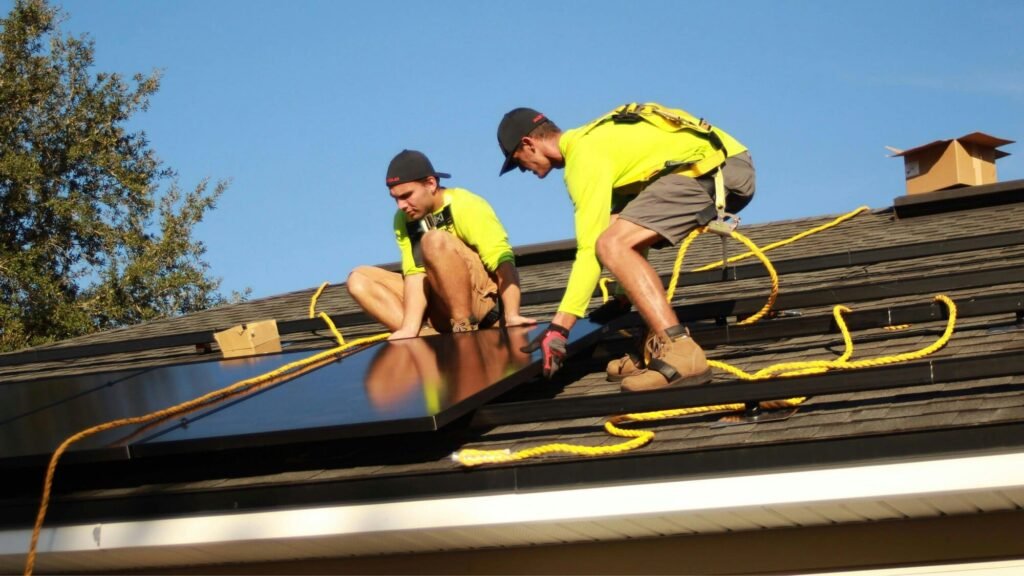
A well-fitted mid-range panel consistently outperforms a premium panel poorly installed. This is the single biggest factor most buyers underweight.
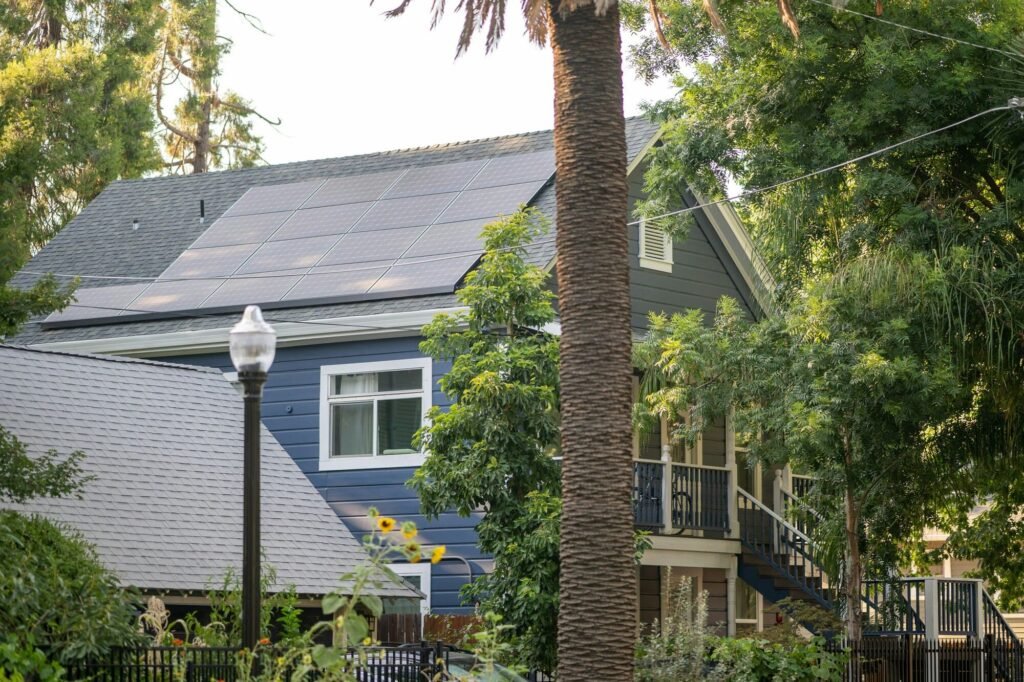
A south-facing roof will meaningfully outperform a north-facing one on an identical system — the gap dwarfs any difference between panel brands. Shading from chimneys, trees or neighbouring buildings can cut output far more than a few percentage points of panel efficiency ever will.
On a shaded or multi-aspect roof, the inverter (string vs microinverter vs optimised string) affects real-world output more than panel selection does.
The right kWp for your household’s consumption pattern beats squeezing in the highest-spec panels available.
Relevant, but the last item on this list for most standard roofs — decisive only when space is genuinely tight.
Usually not. If you have ample south, east or west-facing roof space and no significant shading, a mainstream Tier 1 panel at 21–23% efficiency will deliver excellent value — the efficiency gap between that and a premium 24% panel typically works out to needing one or two fewer panels for the same total output, which matters far more on a small roof than a large one.
Premium panels earn their price specifically when: your roof space is limited, part of the array will be shaded for part of the day, or you want the longest possible warranty and lowest long-term degradation and are willing to pay for it.
MCS verified , Free, no obligation, no charge to unlock quotes. Tell us about your property once and we will match you with up to three certified installers in your area.
Premium back-contact and Maxeon-style panels currently lead the market, with efficiency ratings above 23–24%. Mainstream Tier 1 panels from brands like LONGi, JA Solar and Trina sit in the 21–23% range and cover the bulk of UK residential installs.
Not for every home. Premium efficiency pays off most clearly when roof space is limited or partially shaded. On a large, unshaded, south-facing roof, mainstream Tier 1 panels usually deliver better value per pound.
Tier 1 refers to a manufacturer bankability rating, not a performance tier — most mainstream and premium brands are both Tier 1. The real difference is efficiency, warranty length and degradation rate, with premium brands typically offering longer warranties (up to 40 years) and slower long-term output loss.
No. Installer quality — correct fitting, wiring, and system design for your specific roof — has a bigger impact on real-world output than the difference between reputable panel brands.
Less than you’d think, and inverter choice matters more. A shaded roof loses far more output to the shading itself and the inverter’s ability to manage it than to any realistic difference in panel efficiency.